

How Much Do Headshots Cost in Toronto? (2026)
Real numbers, from a photographer who publishes his prices.
Most photography sites make you book a call to find out what anything costs. I publish my prices, so I may as well answer the bigger question properly: what do headshots actually cost in Toronto in 2026, what drives the price, and how do you compare quotes that all seem to include different things?
The short answer
Published rates across Toronto studios in 2026 land roughly here:
| Type of session | Typical Toronto range |
|---|---|
| Quick LinkedIn or profile headshot | $150 to $350 |
| Actor headshot session | $250 to $700 |
| Executive or corporate portrait session | $300 to $900 |
| Team headshots, per person | $125 to $300 |
| Personal branding session | $1,500 to $3,000 and up |
All plus HST, and almost every studio adds retouching, extra looks, or rush delivery on top of the session price. Which is where comparisons get slippery, so let's take it apart.
What actually drives the price
The photographer's experience with your kind of face time. A photographer who shoots actors every week knows what casting directors look for. One who photographs executives knows how to direct someone who hates cameras and has eleven minutes between meetings. You are paying for judgment as much as equipment.
There is an old story about this kind of pricing, told about the engineer Charles Steinmetz. Henry Ford's plant had a massive generator nobody could fix, so Ford called in Steinmetz, who listened to the machine, ran some calculations, climbed up, and made a single chalk mark on its side: replace the winding here. They did, and it worked. Steinmetz billed $10,000, and when Ford asked him to itemize, the invoice came back in two lines. Making chalk mark on generator, one dollar. Knowing where to make the mark, $9,999.
Headshots run on the same economics. The shutter click is the chalk mark. Everything you are actually paying for happens before it.
Consulting, not just clicking. A good headshot photographer is a consultant with a camera: what to wear, how to stand, which image fits the job it has to do, and how to get someone comfortable enough to look like themselves. Anyone can take a picture. What you are hiring is the help deciding everything around it.
Studio or on location. On location work at your office costs more to deliver, and for teams it is usually worth it, because getting eight people across the city is harder than getting one photographer to you.
What is actually included. This is the big one. Two quotes for $400 can be $200 apart in real cost once you ask about retouching, extra images, and delivery time. Always ask what the session price includes and what each retouched image costs after that.
Number of looks. A look is an outfit and backdrop combination. Actors often need three: something commercial, something for film and TV, something with range. Executives may need one strong look or several for different platforms.
Usage. For most people, personal and business promotional use is included and that is all you need. If images are going into paid advertising campaigns, expect that to be licensed separately, at any studio.
The line item nobody mentions: retouching
Some studios fold retouching into the session price. Others, including mine, price it separately, so a person who needs one image does not subsidize a person who needs six.
Market rates in Toronto run roughly $35 to $100 per retouched image. Separate pricing is not a hidden fee when it is published. It becomes a hidden fee when you find out about it after the shoot, so ask before you book, wherever you book.
My prices, since we're here
This is the Ymaphoto list, the same one on my investment page.
Actor sessions. Mini from $300, suitable for three looks. Full session from $550, for a complete range across commercial, film and TV, and character work. Retouching is $50 per image, and most actors end up with three. For the full actor breakdown, see the dedicated guide: How Much Do Actor Headshots Cost in Toronto.
Executive and corporate. Mini on a gray or white background from $300, including one retouched file. Cinematic mini from $550, including three retouched files. Full session from $750, including five. Additional retouched files are $100 each.
Personal branding. Custom sessions from $2,000, built around your work, your spaces, and where the photos will live.
Teams and firms. Quoted on consultation, based on team size and location. Most of my firm work runs as a standing arrangement: one price per headshot agreed once, and new hires and refreshes photographed as they come, so the team page never drifts.
Everything is plus HST. Every session includes direction, and everyone sees their images on a large screen during the session. If it is not right, we fix it in the room.
What cheap costs and what expensive buys
A $150 headshot and a $750 session are different products, not different prices for the same product. The quick option gets you a competent, well lit photo, and for some purposes that is exactly right. The fuller session buys direction, time to relax into the camera, multiple looks, and someone whose job is noticing what you cannot see about yourself.
The trap is the middle path. A $150 headshot that does not quite work is rarely the end of it: you book another one somewhere else, then another. Four sessions at $150 because none of them felt right is $600, four afternoons of your life, and a small hit to your confidence every time you open a photo you do not love. Paying once for a professional, with a guarantee behind the session, is usually the cheaper road and always the calmer one.
The honest way to choose is by what the photo has to do. A profile photo for an internal directory has a modest job. A headshot that represents you to casting directors, or your firm to its clients, is doing sales work every single day. Price it like the job it does.
Five questions to ask any photographer before booking
- What does the session price include, exactly?
- What does each retouched image cost after that?
- When do I get my images, and is that in writing?
- What happens if I do not like the results?
- Can I see full galleries, not just highlight reels?
Any working professional will have quick answers to all five. Hesitation on question four is worth noticing.
Common questions
Why is there HST on photography? Photography is a taxable service in Ontario, so every legitimate studio charges 13 percent HST on top of listed prices. A quote with no mention of HST usually means it appears later.
Do I need hair and makeup? For executive portraits, public figures, and personal branding, it is strongly recommended and usually $250 to $350 as an add on. Actors often skip it, since casting wants to see the person who will walk into the room.
How often should headshots be updated? When you no longer look like the photo. For most professionals that is every two to three years. For actors, any meaningful change in look means new headshots, because the photo's one job is to look like you. More answers like this live in the FAQ.
Ymaphoto is a headshot and portrait studio at 2030 Bristol Circle in Oakville, serving Toronto and the GTA. Rated 5.0 on Google. Every booking starts with a free consultation.
Schedule Your Free ConsultationOr write to Youssef@ymaphoto.com · 647-783-7661
How much do actor headshots cost in Toronto?
The real Toronto actor headshot pricing landscape, what's typically included, hidden costs to avoid, and how to choose without overpaying.
An honest 2026 guide to Toronto actor headshot pricing, what's behind the numbers, and what to watch for before you book.
The honest answer to "how much do actor headshots cost in Toronto" is "it depends," and then most articles trail off into vague hand-waving. This one won't. Toronto actor headshot pricing has settled into three reasonably stable bands as of 2026, with predictable differences between them. The point of this guide is to give you a clear map of those bands, what you actually get at each, what hidden costs to watch for, and how to decide which tier makes sense for where you are in your career.
I've been photographing Toronto actors for over fifteen years. Recommended by top Toronto talent agencies including Ritter Talent, The Characters, Noble Caplan Abrams, Star Talent, Dicaro Talent, and Warden Talent, among others. I've seen the market settle, shift during the pandemic, and re-settle into a different shape. What follows is the actual landscape, not what I wish it was.
The Toronto actor headshot pricing range in 2026
Three tiers, roughly. Each tier is a different conversation, with different deliverables and a different relationship with the photographer.
Newer photographers building portfolios and "headshot day" group events. Usually one look, basic retouching, fast turnaround. Fine if you're just starting out and need something on file. Rarely what your agent wants you submitting with long-term.
Established Toronto headshot photographers with real careers behind them. Two to three looks, several retouched final selects, agent-ready files. This is the middle of the market and where most working actors with active careers end up.
What you're paying for at this tier is unhurried time on camera. A session that doesn't run like a conveyor belt. Multiple wardrobe changes, longer pre-session conversation, deeper retouching, and frames the photographer actually has the time to build rather than rush through. Booked weeks or months ahead because the calendar fills.
What actually moves the price
Six variables explain almost all the variation in Toronto actor headshot pricing. Worth knowing what each one is doing to the number.
- Experience and reputation. A photographer whose livelihood is built entirely on headshot work needs healthy margins to sustain the practice. That margin pays for the studio, the gear, the retouching hours, and the ability to spend a real session with you rather than wedge you into a rushed slot between others.
- Number of looks captured. Each additional look is roughly another 20 minutes in front of the camera and another retouching pass on the back end. More looks usually mean a higher price.
- Retouching depth and file count. Retouching is the careful, frame-by-frame editing process where the photographer cleans up skin tone, evens out lighting, removes distractions, and dials in color so the final image actually represents you at your best. It is the slowest, most invisible part of producing a headshot. When a package promises "fifteen fully retouched files included" at a budget price, the math doesn't work for real retouching at that volume. Fewer files with real time spent on each one almost always produces a stronger portrait than a stack of lightly-touched ones.
- Turnaround speed. One-week turnaround is standard. Same-day or 24-hour delivery for an urgent submission is usually a surcharge.
- Studio versus on-location. Studio is the default and typically built into the rate. On-location shoots that involve travel, scouting, and additional lighting setup add to the price.
- Hair and makeup. Sometimes bundled, sometimes a per-artist add-on. Worth a few hundred dollars if it's not included and you've been told you need it for your look.
What a $500-plus session typically includes
If you're paying in the working-professional tier or above, here's the baseline you should expect to walk away with. Anything materially less and you're being undersold.
- Pre-session consultation. A real conversation about your reel, your agent's submission strategy, your wardrobe options, and where the new headshots need to land you.
- Multiple looks within the session. Two to four wardrobe variations, captured in a way that gives your agent flexibility across submission categories.
- Live monitor review. You see the frames as they're being shot, on a real screen, so the final selection is collaborative rather than a guess.
- Several retouched final files. Typically two to six fully retouched images, sized and prepped for agency portals and casting platforms.
- A complete contact sheet of the session. So you and your agent can see everything, not just the photographer's selects.
- File delivery in formats your agent uses. JPEG sized for online portals, plus high-resolution for print if you need it.
Hidden costs to watch for
Most Toronto actors don't pay attention to the small print until they're already in the chair. Here's what to ask about up front so the final invoice isn't a surprise.
- Per-image retouching fees. Some studios bundle only one or two retouched images and charge $50–100 per additional file. If you want five usable images, the headline price doubles fast.
- Rush or urgency surcharges. Standard turnaround is one to two weeks. Anything faster often carries a 25–50% surcharge that doesn't appear in the original quote.
- Digital usage rights. Most photographers grant unlimited personal-professional use, but some charge extra for commercial usage rights if the headshot will appear in advertising or printed campaign material.
- Re-edits and revisions. One round of feedback is usually included. Subsequent rounds may carry a per-revision fee that isn't quoted up front.
- Hair and makeup not included. If they're listed as "available" rather than "included," they're an add-on. Ask the rate before you book.
- Studio rental or location fees. Rare in Toronto, but some photographers using rented spaces pass that cost through. Worth confirming.
Why actor headshots cost what they do
The price isn't really for the shoot. It's for what the shoot enables. A working actor's headshot is the photo that gets them read for a role, or doesn't. The downstream economics of that decision are enormous.
Consider the math. A single guest-star role on a major network production pays roughly $1,200 to $5,000 USD per day, depending on scale. A series-regular contract over a season can pay $40,000 to $300,000. The portrait that gets you read for any of those is the entire reason it exists. A $500 headshot that lands you one additional callback over the next two years has paid for itself dozens of times over.
The reverse math is the one most actors don't run. A $200 headshot that buries you in the submission pile, that gets your agent fewer "yes, let's see them" emails, that lives in your file for eighteen months before you replace it, costs you the auditions you would have had with a stronger frame. You never see the bookings you didn't get. You only see the savings.
When to invest more, when to invest less
Spend less when:
- You're brand new to the industry and need something on file while you build your reel and your relationships.
- You're between agents, sorting out which way your career is going, and don't have a clear submission target.
- Your last headshot is only twelve months old and you mostly need a small refresh, not a major overhaul.
Spend more when:
- You're actively submitting for series-regular or recurring work and the casting room you're aiming for is one where image polish is assumed.
- You've meaningfully changed your look, your weight, your hair, or your industry focus, and the new headshot is the document of that shift.
- Your agent has specifically told you the current headshots are holding you back.
- You're moving from theatre to film or television, or from commercial to dramatic, and the casting expectations are materially different.
How actor pricing differs from corporate pricing
This trips up actors who compare their headshot quotes to what their corporate friends paid. They're not the same product.
Corporate headshots are usually quoted per person at a higher unit price ($400 to $1,200) but include only one look and two to four retouched files. The buyer is a company HR lead or executive assistant who values consistency across a team. The frame is generally tighter and more uniform.
Actor headshots at the same price point typically include multiple looks, more retouched files, a longer session, and a deeper creative conversation. The buyer is the actor, who needs flexibility for different submission categories and a portrait that's specifically tuned for casting rooms. The frame is looser. The expression is broader.
Same range of dollar amounts, different deliverable, different value math. If your friend in finance paid $800 for one polished LinkedIn photo and you're paying $650 for an actor session with three looks and four retouched files, you're getting different products at similar prices.
How I price actor sessions
I work in the working-professional tier, with sessions structured around multiple looks, deep agency relationships, and the kind of pre-session conversation that gets you a portrait that actually serves your career rather than just a portrait that looks nice. Full pricing breakdown lives on the investment page.
Every actor session starts with a free fifteen-minute pre-session call before any booking is confirmed. We talk through your agent's submission focus, the looks you're working on, what your existing headshots are or aren't doing for you, and what the new portrait actually needs to accomplish. The work begins long before the shutter clicks.
Thinking about new actor headshots in Toronto?
Free fifteen-minute pre-session consultation before any booking. We'll talk through your agent, your submission strategy, your looks, and your timing.
Schedule a strategy callFrequently asked questions
Every one to two years, or sooner if your look has changed meaningfully. Casting directors rely on headshots being current. An eighteen-month-old portrait that doesn't reflect how you look walking into the room creates confusion and costs you callbacks.
Two to four for most actors. Theatrical (dramatic) and commercial (lighter, more accessible) is the standard split. If your career spans multiple casting categories, three to four looks gives your agent more submission flexibility.
Often yes for women, optional for men depending on your look. The point isn't to look unrecognizable, it's to even out skin tone and tame anything that will distract the eye. Skip it if your daily look is already camera-ready.
Most working-professional sessions run between ninety minutes and two and a half hours. Long enough to settle in, capture multiple looks well, and review frames on a monitor as we go.
One to two weeks for the standard delivery. Faster turnarounds are usually available for an additional fee if you have an urgent audition or agency submission.
Studio is the default for actor headshots. Controlled lighting reads cleanly across submission portals, casting platforms, and printed materials. Location shots are a beautiful supplement but rarely replace a strong studio core.
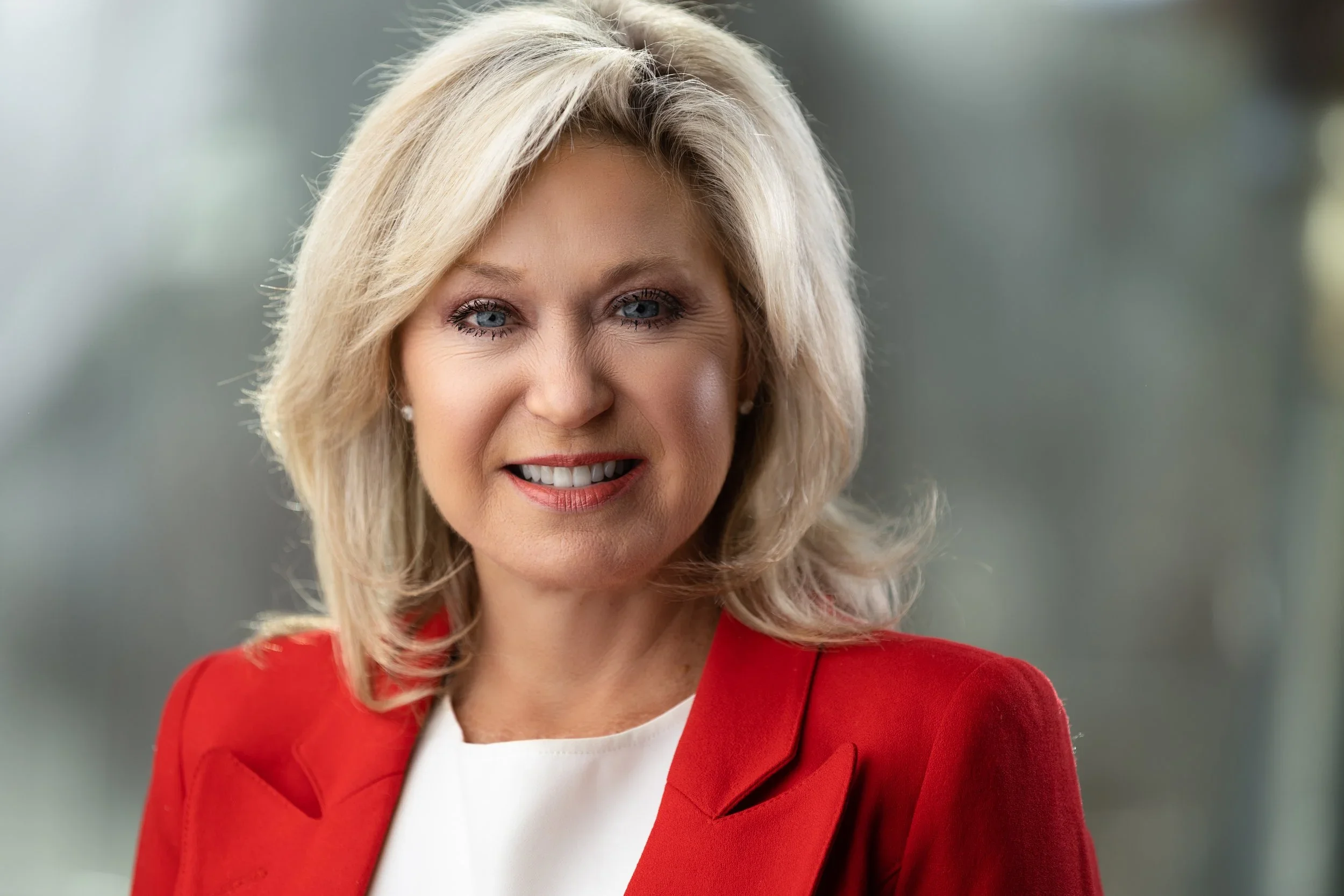
The Portrait that earns the voter’s trust.
By the time Bonnie Crombie sat down in front of my camera, she had been photographed many times over the years. None of which made the session easier. A political portrait has to earn voter trust at a thousand sizes, on a thousand screens, against an audience that is half-skeptical before the image even loads. Here is how I approach it.
What I learned photographing Bonnie Crombie, and what every Toronto campaign team should know before booking a portrait photographer.
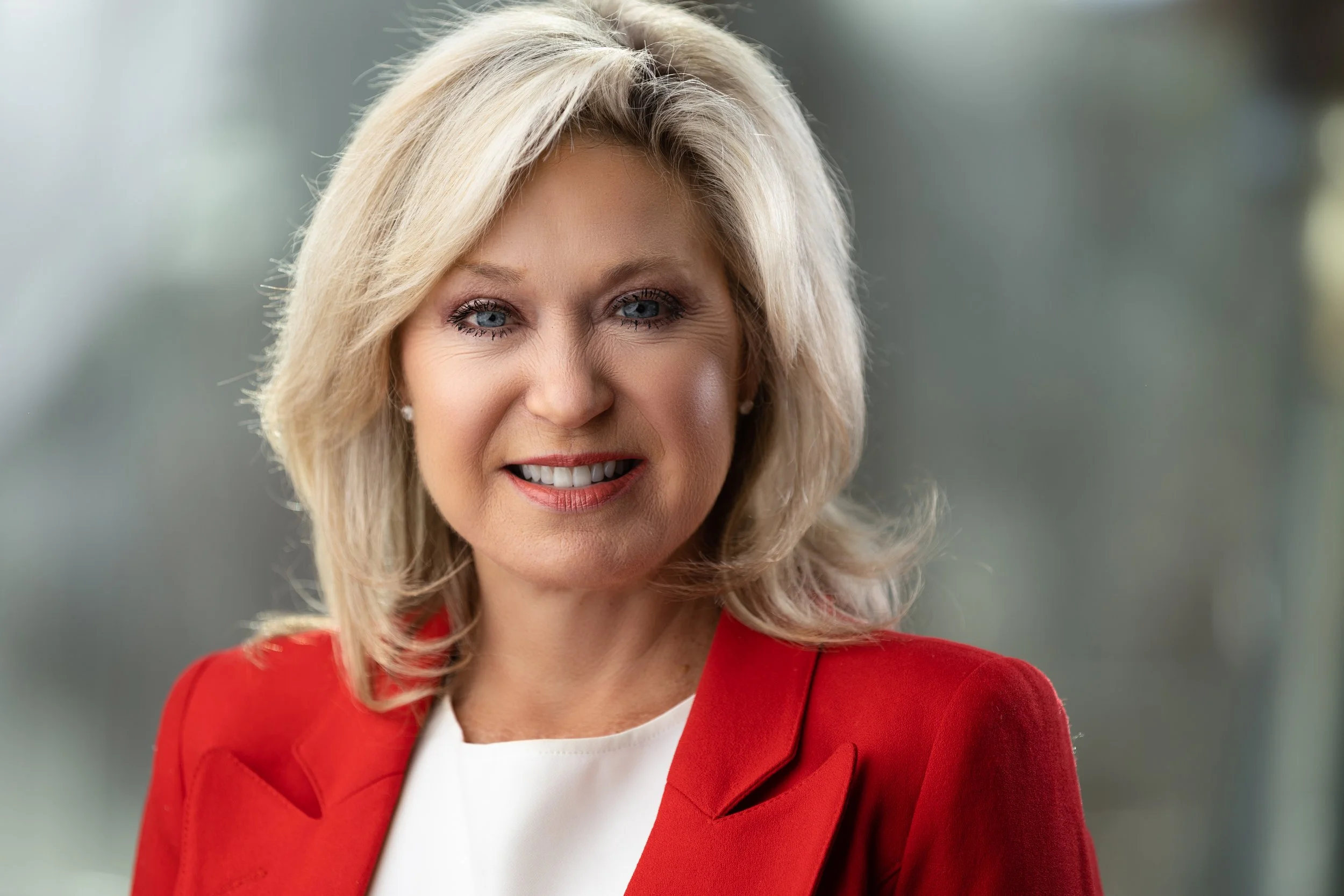
When a sitting political leader books a portrait session, the image isn't for them. It's for the constituent who will scroll past it on a phone, for the journalist who will pull it for a deadline at 11 p.m., for the rival campaign's research team, for the billboard you may never see, for the voter who has 200 milliseconds to form an impression. A corporate headshot needs to work in one place: LinkedIn. A political portrait needs to work everywhere, simultaneously, often for years, and frequently in contexts you don't control.
That's the problem I think about when a campaign team calls. And it's the problem I was thinking about the morning Bonnie Crombie, Leader of the Ontario Liberals and the former three-term Mayor of Mississauga, came through my studio doors in Oakville.
Chapter 01What political portraits actually have to do
A good portrait of a political leader has to communicate several things at once, and they don't always pull in the same direction.
It has to read as authoritative, so the viewer trusts that this person can lead. It has to read as approachable, so the viewer understands that this person is not above them. It has to read as honest, so the viewer feels there is no edit, no varnish, no spin between them and the subject. And it has to do all of this without looking like it's trying to do any of it. The moment a political portrait looks staged or strategic, the viewer feels manipulated, and the entire frame collapses.
Corporate headshots have it easier. A CEO portrait needs to project competence and warmth, and the audience is mostly internal: investors, partners, employees, prospective hires. The viewer arrives willing to give the subject the benefit of the doubt.
A political portrait has no such luxury. Half the audience is skeptical before the image even loads. Some of them are looking for a reason to dismiss the subject. Others are looking for a reason to trust them. The image has to survive both gazes, hold up across a billboard, a website hero, an Instagram thumbnail, and a printed pamphlet stuffed in a mailbox in February.
Chapter 02Bonnie's session, and what I was watching for
By the time Bonnie sat down in front of my camera, she had been photographed many times over the years. By campaign photographers, by news photographers, by community-event volunteers with iPhones. She had also led a city of more than 800,000 people for the better part of a decade, and was actively leading a provincial political party. None of which made the session easier. If anything, it raised the stakes.
When someone has been photographed that often, they have a default. Most public figures have a learned face, the one they switch on when a lens appears. It works. It is rarely them. With Bonnie, that wasn't the challenge. What struck me from the first frame was how naturally she stays herself in front of a camera. There is no switch. The same presence and warmth she brings to a town hall, a debate, or a kitchen-table conversation is the presence she brings to a portrait session. Few political leaders I have photographed make the work this easy, because few are this genuine when the camera is on.
I work with light, posture, and direction, but the actual technical setup is the least interesting part of what I do. The interesting part is the conversation between frames: what I'm asking, what I'm noticing, what I'm choosing to let breathe versus what I'm choosing to redirect. With Bonnie, the job wasn't to coax a real version of her out from behind a public-figure face. It was to read the room well enough to capture what was already there: the presence, the conviction, and a real desire to serve the public.
"Truly feels like me" is the highest compliment a political leader can give you. Because the alternative, a photo that performs leadership rather than reveals it, is the failure mode that dooms most political portraits. You can usually feel the difference within a second of looking at the image, even if you can't articulate why.
Chapter 03Four principles I bring to every political session
Authenticity and polish, together
I'm always looking to generate an image that is beautifully crafted and true to who the leader actually is. The strongest political portraits aren't the most heavily processed ones, and they aren't the most stripped-back either. They're the ones where the lighting, retouching, and direction all serve the person being photographed rather than overtake them. The result should feel polished and approachable at the same time: a leader you would trust on a billboard, a website hero, and across a coffee-table conversation.
Trust before lens
I never start a political session by picking up the camera. There is always a conversation first: about the cycle, the platform, what's coming up, what the team is worried about, what photo from the last campaign aged the best, what aged the worst. By the time the camera is in my hand, the subject knows I have read the room. That changes what shows up on the file. People look like themselves when they feel safe; they look like a brand when they don't.
Direction without performance
I direct constantly during a session: small adjustments to chin, shoulder, weight, where the eyes land. But I avoid asking the subject to perform anything. "Look strong" is a useless instruction. "Picture the moment you announced you were running, and the room went quiet" is a useful one. Specific memories produce specific expressions. Adjectives produce poses. Political portraits collapse on poses.
Multi-use thinking
Every political session I shoot covers several distinct types of imagery. We capture a clean profile headshot for the website and media, a door-hanger style shot for direct campaign material, an environmental portrait that places the candidate in a meaningful setting, and often images of the politician in action: speaking, meeting constituents, working. A great political portrait isn't a single image; it's a system. The team needs flexibility, and the file has to give it to them without going back for a re-shoot in October.
Chapter 04What campaign teams get wrong
If you're a campaign manager, a comms director, or a riding-association president booking a portrait photographer this cycle, here are the patterns I see go wrong most often, across parties, across levels of government, across years.
- Booking too late. The portrait session is treated as a checkbox item right before launch, when the candidate is already exhausted, stretched thin, and out of patience for direction. A tired candidate produces a tired portrait. Book the session four to six weeks ahead of the public announcement, before the cycle has worn the candidate down.
- Not bringing the comms team to the consultation. The photographer needs to know how the image will be used before the shutter clicks once. Web, broadcast, print, social. Each shapes the framing decisions. Sending the candidate alone with no creative brief is how you end up with a beautiful photo that doesn't fit the campaign system.
- Over-styling. Heavy makeup, over-pressed wardrobe, an obvious blow-out. The image starts to read as packaged before the voter has even noticed the face. Trust the photographer, the lighting, and the candidate. Restraint always reads as confidence.
- Skipping the second look. A "casual" companion frame (looser tie, no jacket, slight smile) is invaluable for social media, op-eds, and constituent newsletters. Most campaigns book one look. The successful ones book two. The marginal cost is small; the optionality is enormous.
- Reusing photos for too long. Voters can tell the difference between a 2022 and a 2026 face. Update the portrait every cycle, every meaningful life event, and every time the candidate's role materially changes. A four-year-old photo on a current campaign reads as carelessness, even when the candidate is excellent.
Chapter 05What this means for the next person reading
If you're a candidate, an elected official, a board member, or a public-facing figure in Toronto or the GTA, and you're thinking about updating your portrait this year, the most important thing you can do is choose a photographer who understands what the image actually has to do. Not just light it competently. Understand the constituency, the cycle, the platforms it will live on, and the political weight a portrait carries when it has to outlive an announcement, a debate, a campaign, and a news cycle.
Bonnie Crombie's portrait wasn't a photo. It was a tool. So is yours.
When the next campaign team books a session with me, the conversation starts the same way it started with Bonnie: not with where they want the camera, but with where the image is going to live. The rest of the work is everything that flows from that answer.
Booking political or public-figure portraits in Toronto or the GTA?
I offer free pre-session strategy calls for political candidates, elected officials, riding associations, and campaign teams. We'll talk through the cycle, the platforms, the wardrobe, the lighting, and the timing before a shutter clicks.
Schedule a strategy call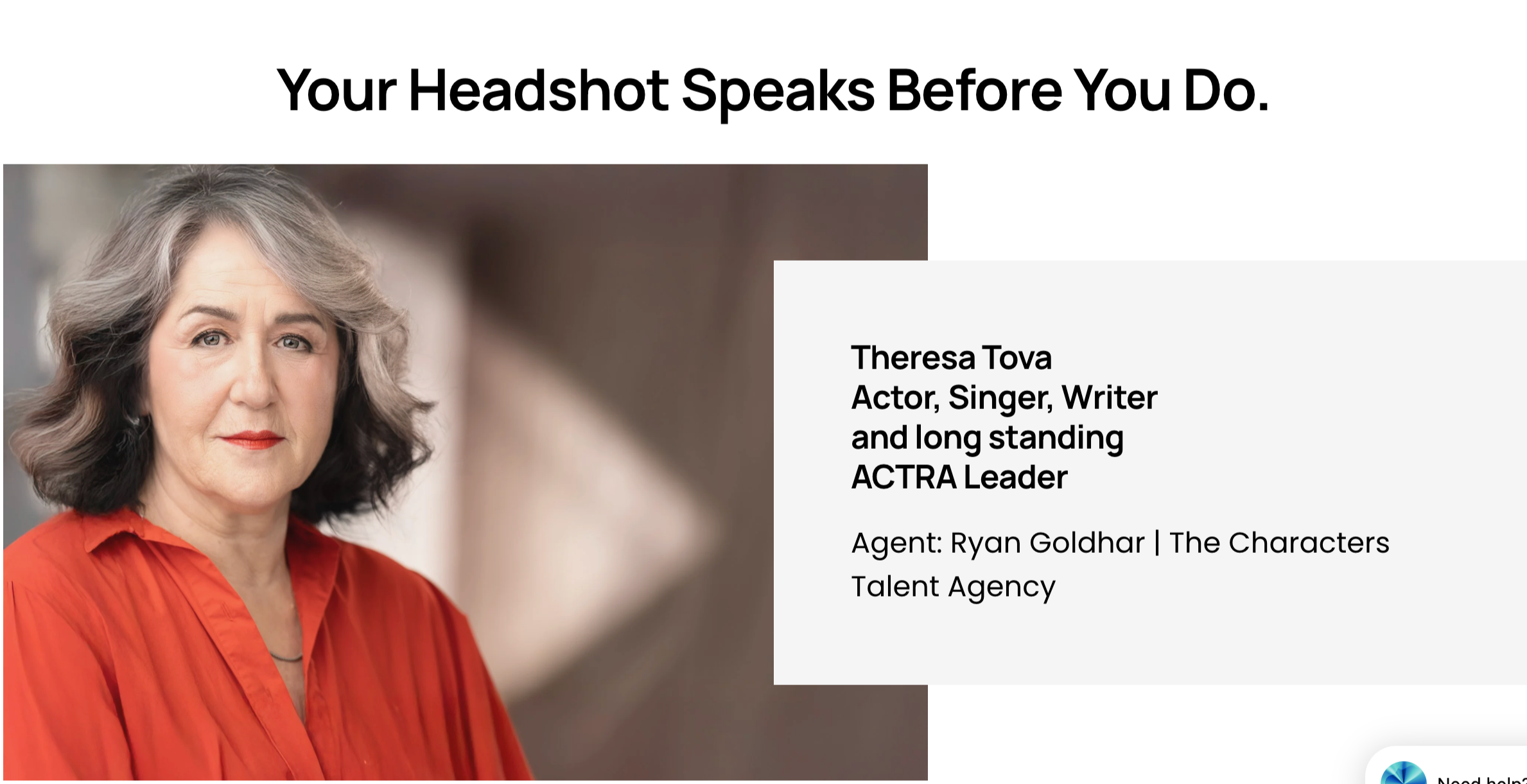
The Harsh Truth About Actor Headshots (That No One Talks About)
The Harsh Truth About Actor Headshots (That No One Talks About)
Your Headshot Speaks Before You Do.
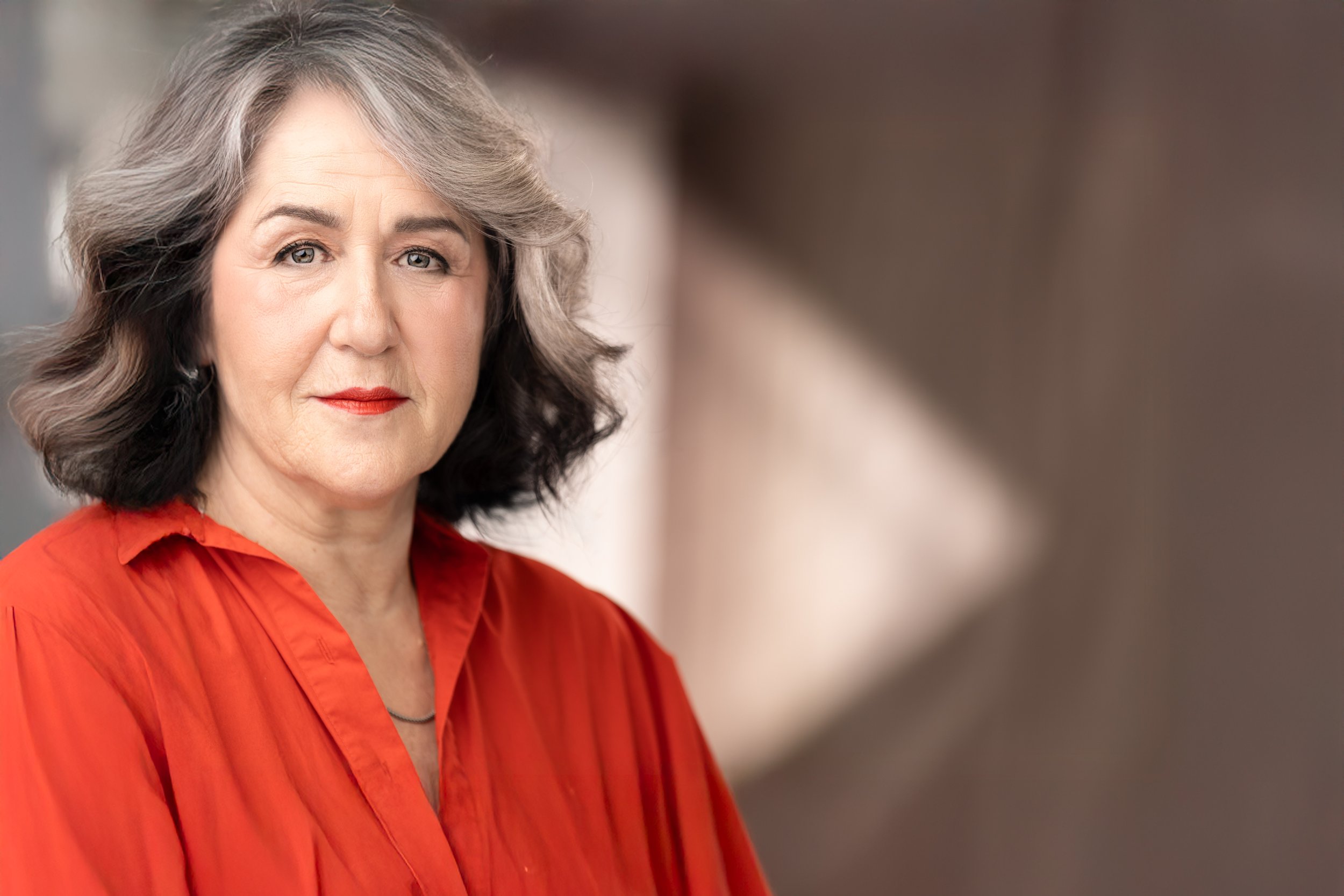
Theresa Tova
Actor, Singer, Writer
and long standing
ACTRA Leader
Agent: Ryan Goldhar | The Characters Talent Agency
Is your image getting you in the room, or quietly keeping you out? As an actor, your first audition doesn’t happen in the room. It happens the moment your headshot pops up in a casting director’s screen. Before you’ve had the chance to speak, perform, or charm anyone, your photo has already spoken on your behalf. Whether it’s opening doors or being ignored completely depends on what that photo is saying about you. Your headshot session isn’t a chore, it’s an asset you have to polish in order to maintain your professionalism.. It’s not just an item to cross off your to-do list. It’s a silent but powerful messenger, shaping how casting directors perceive your confidence, your professionalism, and your potential as an actor. A strong headshot doesn’t just show your face, it captures your presence. It defines at your casting type, your energy, and your essence. And here’s the uncomfortable part: when your headshot is low-effort, outdated, or just plain off, it sends a signal. A quiet one, but a strong one. It says, “I don’t really believe I belong here.” It tells casting that you’re not invested in your own career. And if you’re not, why should they be? Think of it this way: imagine you’re stranded and someone offers you a clunky, barely working $500 car to get out of town. You hesitate. Then someone else offers you a solid car for $2,500, one that can actually get you where you need to go guaranteed. You’d find a way to make it work. You want to be that reliable option for casting directors.
Your Headshot is not a vanity project, it’s your way in the room. It’s the difference between being taken seriously or passed over with a swipe. Confidence is one of the first things casting directors pick up on. It’s in the eyes. The posture. The stillness. Those micro-expressions in your photo say everything. A good headshot radiates effortless, authentic confidence.It says, “I’m here. I’m ready. I know who I am.” And the respect you get on set, in class, from your peers often starts with how you first present yourself. But that presentation has to be authentic. If your headshot is bold but you walk in looking completely different, you’re not building trust, you’re breaking it. A powerful presence starts with a photo that looks like you, on your best day. Your headshot is also your branding tool. It communicates your “hit” or “type” before you’ve even spoken a word. Are you the intense, brooding lead? The witty best friend? The sharp, clean-cut professional? Knowing how you’re cast and capturing that essence in your photo is what gets you shortlisted. And let’s be real: casting directors aren’t flipping through printed headshots anymore. They’re scrolling. Tiny thumbnails. Fast. And when they scroll, they’re not just looking for a face, they’re looking for a match. A feeling. A vibe that fits the role. A headshot that pops stops the scroll. It makes someone casting go: “Wait this person looks perfect for that character.” The problem is, too many actors underestimate this. They use old headshots that no longer resemble them, or images that feel stiff, posed, or disconnected. Even worse photos that send the wrong message entirely. And they don’t even realize the opportunities they’re losing. Sometimes, they never realize it. A headshot that doesn’t work doesn’t just sit quietly it gets filtered out before you even knew there was a role on the table. So if you’re still using something that doesn’t represent you fully and powerfully it might be time to rethink your approach. The right headshot won’t magically book you the job, but it will get you in the room then YOU shine in person. The wrong one might make sure you never even get that chance. The real question is: what’s your headshot saying about you? If you’re not sure, or if you want a second opinion, send me a message. I’d be happy to take a look and give you honest feedback with a free headshot audit.
If you’re curious what your current headshot is doing to your career, fill the form below for a free headshot audit.
Headshot Blunders: 5 Fatal Errors YOU as an Actor Must Avoid

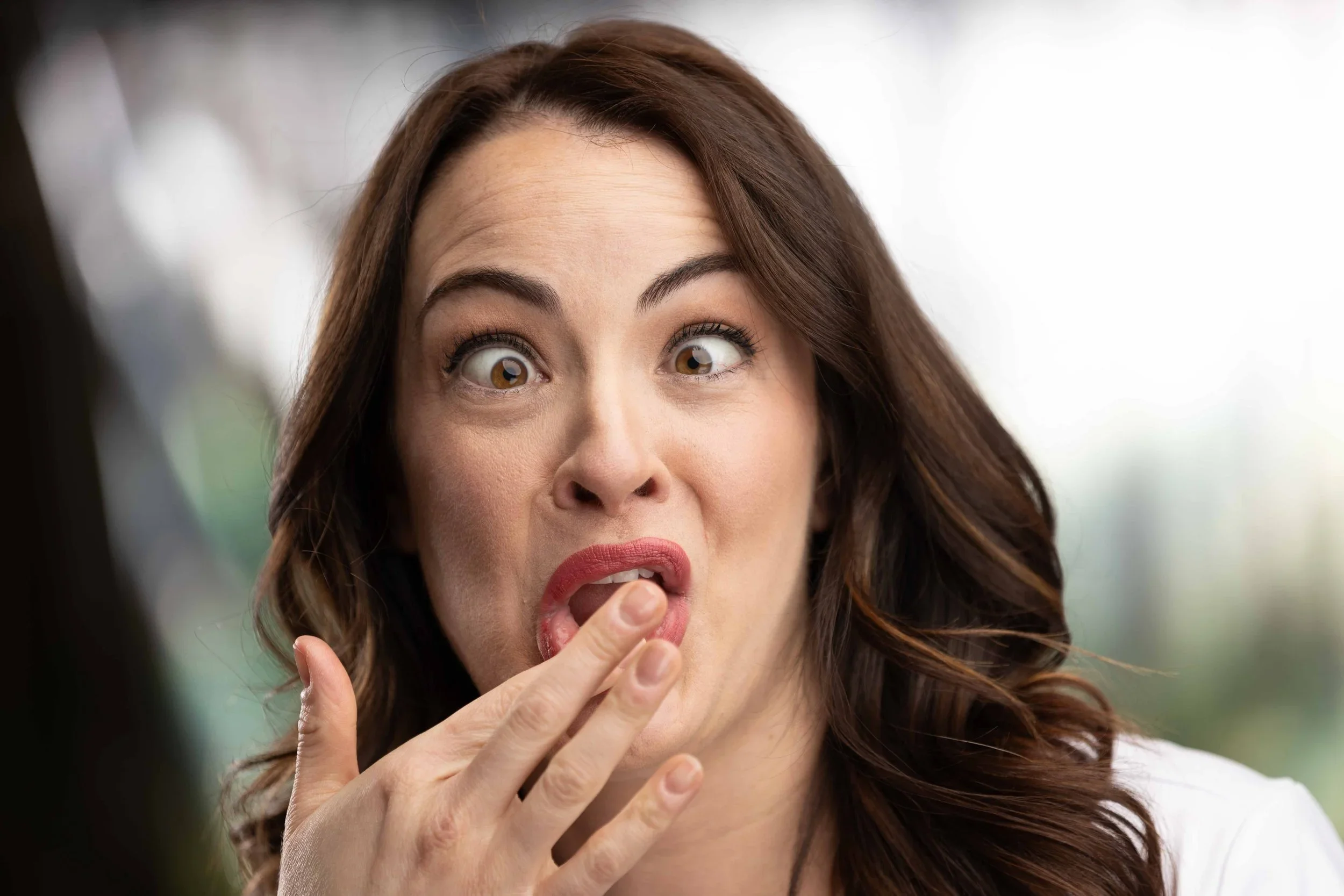
Actress ZADE O'BLENES - RITTER TALENT
"Together with my agent, we make a great team, but it's up to me to captain our journey and ensure we have something solid to work with."
1. NOT Embracing Your Role in Career Decisions
Your agent is your growth partner, not your boss. This partnership thrives on mutual trust, goals and respect, with both parties contributing valuable insights. Ultimately YOU ARE the captain of the ship and you should assume 100% responsibility. While agents navigate opportunities and provide professional advice, the final decisions, especially personal and career-defining ones like choosing a headshot photographer, should mirror your aspirations and vision. Actively engaging in the decision-making process and reviewing photographers' portfolios personally guarantees that your headshots authentically represent your unique qualities, setting the stage for the roles you aim to secure.

Teri Ritter - Ritter Talent Agency
Actors need to understand that they also need to think of themselves as a business not just a creative!! In order for the agent to do our work effectively, the actor needs to ensure that their materials are up-to-date, represent them as they are today, and consistent across all platforms. They cannot blame the agent if they are not also providing the best materials to their agent.
2. Not Thoroughly Examining the Photographer's Portfolio
A cursory glance at a photographer's portfolio isn't enough. Actors need to delve deep, identifying images that not only appeal to them but also showcase the range and versatility they possess. Taking the time to discuss specific shots that resonate with you ensures you and your photographer are aligned, leading to headshots that capture your essence and artistic sensibility.
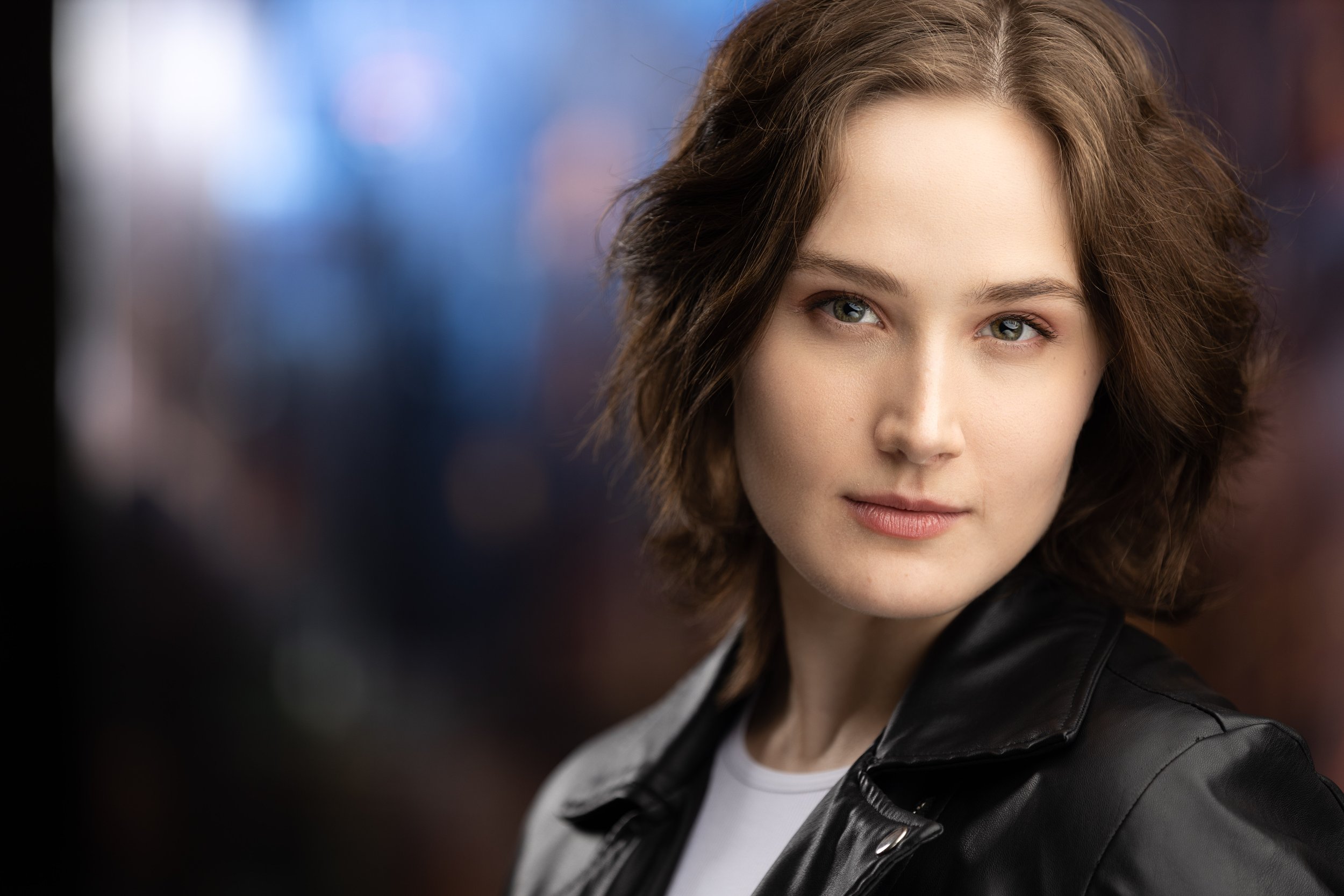
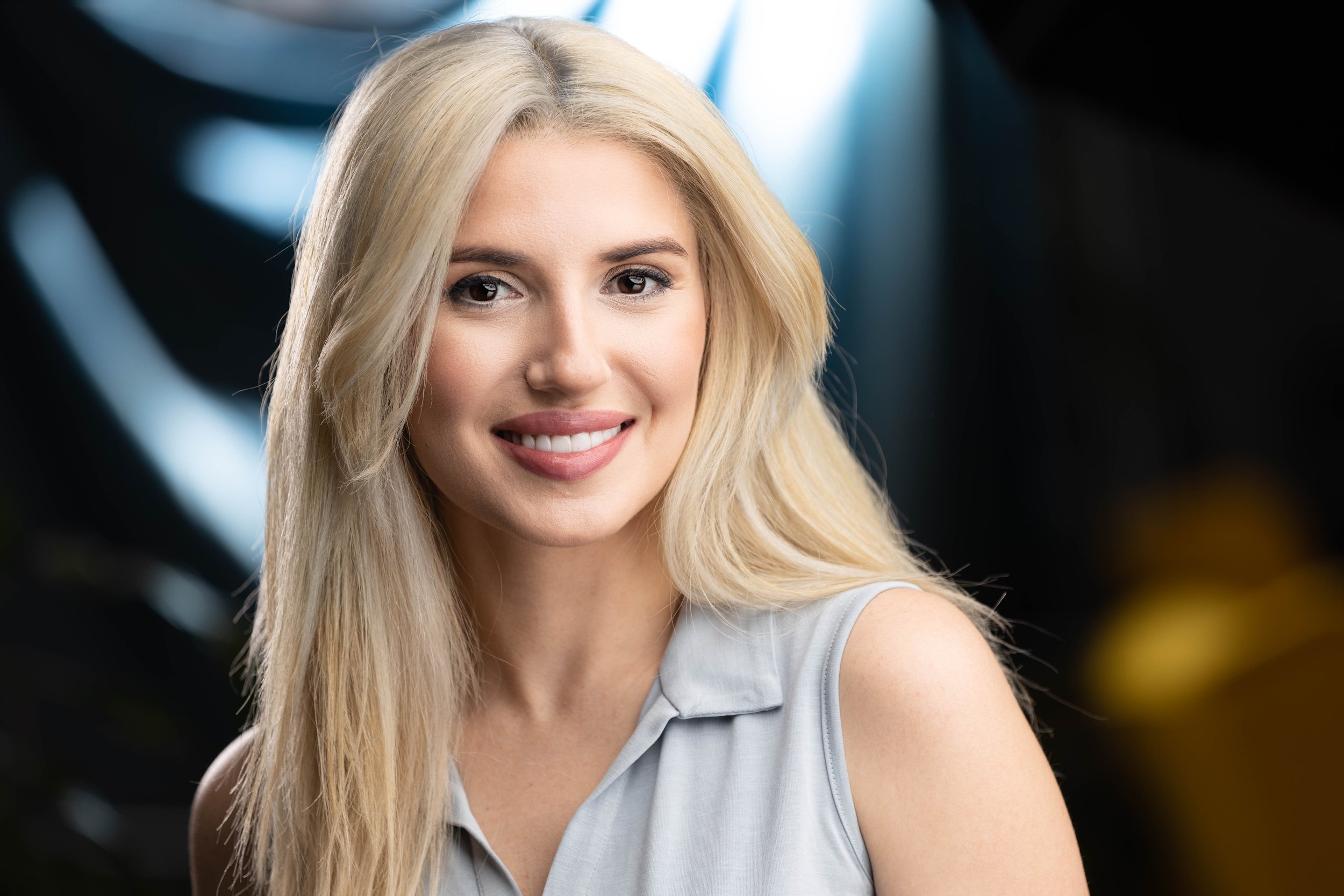
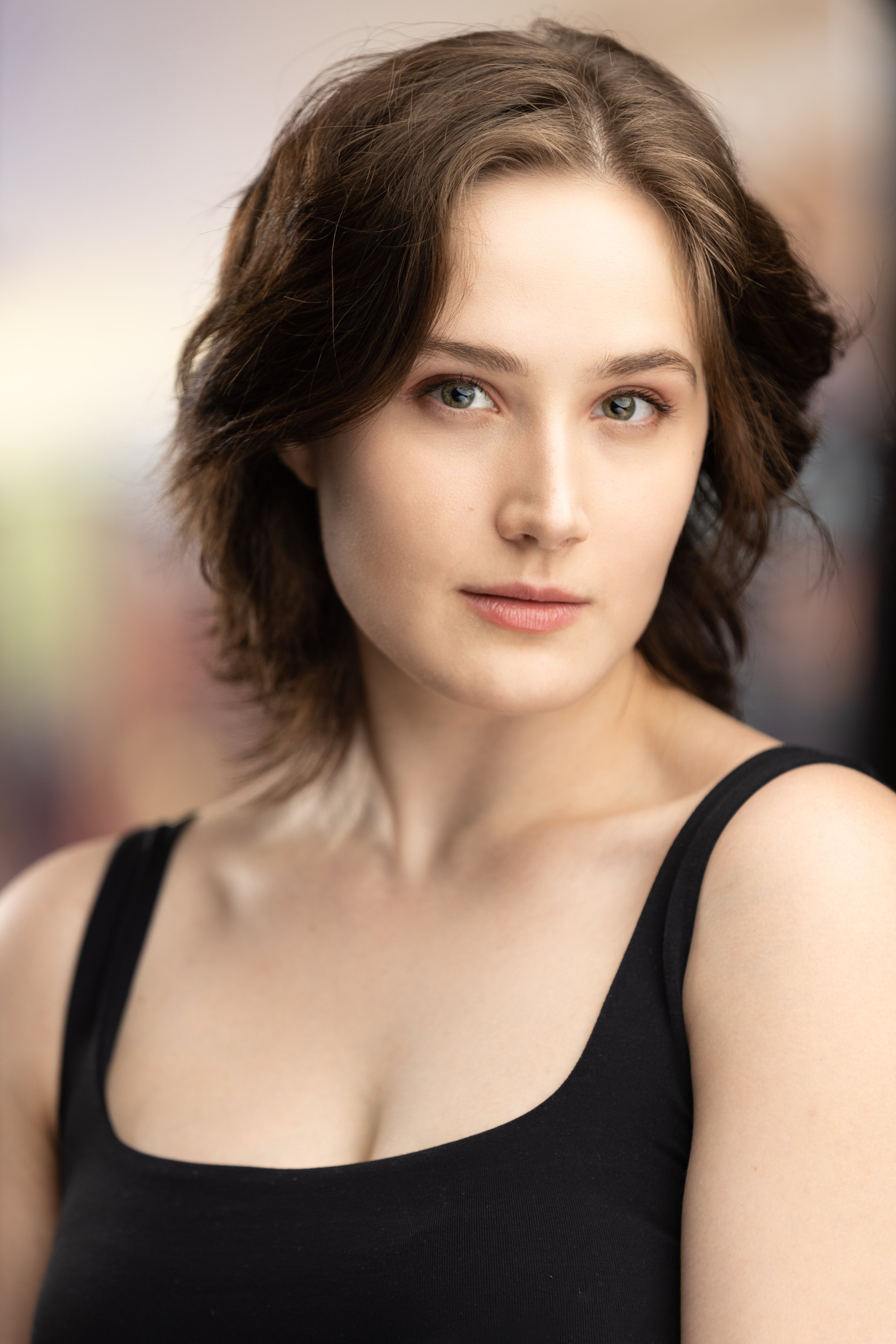
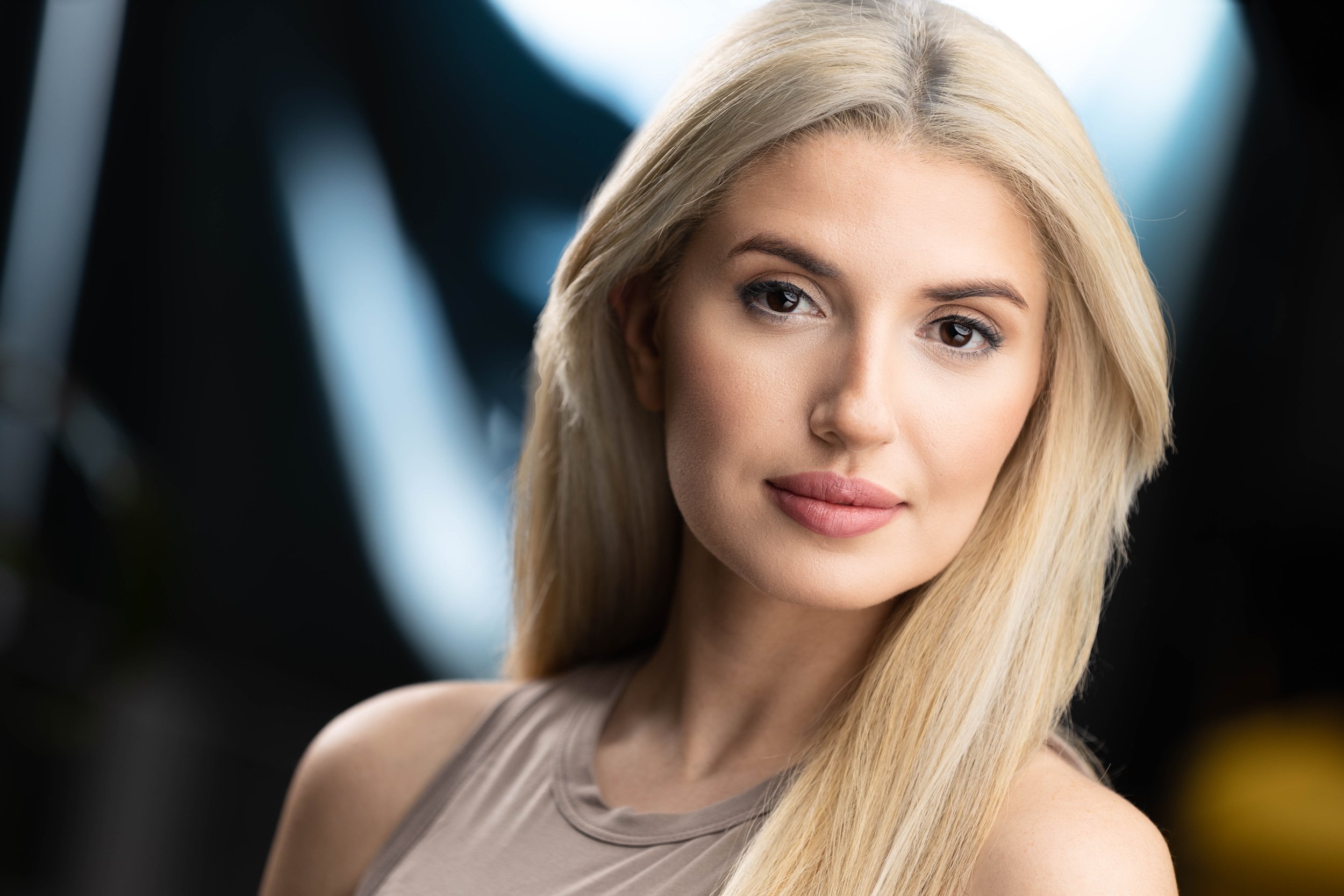
Actors: Em Nicholson, Catherine Valle Taylor and Wayatt Lamoureux
3. Skipping a Timely Pre-Session Consultation
Arranging a consultation at least one week before your session is crucial. Last-minute meetings leave no room for adequate preparation, potentially leading to issues like inappropriate wardrobe choices or unprepared looks. Early consultations allow for detailed planning and discussions, ensuring a smooth and successful shoot.

Actress Shikha Chowhan in a post session consultation to choose her headshots.
4. Not Knowing Your "Hit" as an Actor
Understanding your "hit" or how you're perceived in the industry is vital. Whether you're looking to change perceptions or reinforce your established brand, your headshot session is a strategic opportunity to steer your career in the desired direction. Clear communication with your photographer about your goals ensures your headshots accurately reflect your artistic identity. Most importantly making sure to cover both commercial and Film/TV looks!


Actress Zade O’Blenes - Ritter Talent Agency
5. Prioritizing Cost Over Quality
Viewing headshots as an investment rather than an expense can make all the difference. Opting for the cheapest option might seem economical, but the potential costs of re-shoots and missed opportunities due to lower quality images far outweigh initial savings. Choosing a reputable photographer ensures you receive compelling images that effectively open doors in the industry.

Image generated using AI!
Have questions? Feel free to reach out here and let’s chat! If you’re wonderding about your headshot or think it’s time for an update let’s talk!
ACTORS - If you do these 5 things your headshot photographer will LOVE you!
As a professional photographer, I can confidently say that a successful headshot session depends on more than just the skill of the photographer. It's a collaborative effort that requires both the actor and the photographer to be in sync, working towards a common goal. To ensure a seamless and enjoyable headshot session, here are five things you can do to make your headshot photographer love working with you.
Let Your Agent Know
Communication is key to a successful headshot session. Make sure to inform your agent about the upcoming photoshoot, as they can provide valuable insights regarding the type of headshots required for your specific situation. Your agent will have a solid understanding of the current trends and can help guide you in selecting the right photographer and look for your headshots. Keeping your agent in the loop ensures that everyone is on the same page and avoids any last-minute confusion or changes.
Make a Plan
Before your photoshoot, chat with your photographer to discuss your objectives, preferences, and any specific requests you may have. Share your vision, discuss the desired mood and setting, and consider the different types of headshots you may need (e.g., commercial, theatrical, or editorial). By creating a solid plan together, you'll be better prepared to tackle the shoot and your photographer will appreciate your proactiveness and clear vision.
Example: If you're an actor, discuss the different roles you usually audition for and how your headshots can best represent those characters.
Try Out Your Outfits
Clothing plays a significant role in headshots, as it can enhance or detract from your overall look. Before the shoot, try on several outfits and take test photos to see how they look on camera. Choose clothing that complements your skin tone, fits well, and doesn't distract from your face. Additionally, avoid overly bold patterns or colors that might clash with the background or draw attention away from you. By testing out your outfits beforehand, you'll save time during the shoot and allow your photographer to focus on capturing the perfect shot.
Pack Up One Day Before the Shoot
Preparation is crucial for a stress-free headshot session. To avoid any last-minute scrambling, pack everything you'll need for the shoot the day before. This includes your outfits, makeup, hair styling tools, and any tools needed (EXAMPLE - Trimmer if you’re shaving on set or hair spray for flyaway hairs). By having everything ready in advance, you'll arrive at the shoot feeling relaxed and organized, which will help you and your photographer stay focused on the expressions and connection to camera.
Give Your Photographer Credit
After receiving your stunning new headshots, be sure to credit your photographer when sharing them on social media or your personal website. Not only does this show appreciation for their hard work, but it also helps promote their services and expand their clientele. Word-of-mouth referrals are incredibly valuable in the photography industry, so by acknowledging your photographer's contributions, you'll be fostering a positive professional relationship and potentially helping them secure future clients.
In conclusion, following these five simple steps will not only make your headshot photographer love you, but will also contribute to a successful and enjoyable photoshoot experience. By being prepared, communicative, and appreciative, you'll be well on your way to creating headshots that showcase the best version of you.

Ymaphoto Toronto | Ways to prepare for your actor headshots session
Ymaphoto Toronto | Ways to prepare for your actor headshots session
How to prepare for your headshots session/photoshoot?
As a Toronto headshots photographer I am always striving to push the bar higher and higher. Expression sells the image and sells you to casting directors. A headshot that is technically perfect but has a dead expression is no good. Casting is intersted in your emotion; not in perfect lighting or how amazing your photographer’s skills’. THAT SAID - it is very important that you are captured in perfect lighting and having a photographer with top notch skills. What I am saying is that technical are only 10% of the battle and your expression is the other 90%. Which is why step one to prepare for your headshots is to:
1-Schedule a consultation with your photographer!
Why? Very simple.
We are all emotional beings and energy is important. You can go to a hair stylist whom you don’t like but as long as you sit still you’ll get a style you like. NOT the case with getting your headshots. You must be able to connect with your photographer and be on the same energy level. A consultation helps you figure that out and decide if you’re both a good fit to work with each other.

Michael Caruana
Acting coach - Bongo Productions - Humber College - George Brown College - Second City
2-Knowing what your brand is as an actor will help you nail the headshot you need to get into rooms you want to get into.
In the meeting we will discuss things like your character type, mood of the headshot…etc. Many headshot photographers use flat lighting for their headshots, others tend to use a little bit of a shadow to give the face 3 dimension feel. Discuss that with the photographer and make sure you’re both on the same page!

Kathy Rupcic
Toronto Actor - Agent: Stephanie Porter - The Porter Group Talent Agency
3-You are the focus of the headshot
We want you to be the most eye drawing element of the image (not the background, clothes or makeup).Clothes: Bring 5-7 tops/outfits that are of mid tone colors. Stay away from crazy colors, patterns..etc. If you wear glasses, make sure we shoot some with them and some without. Bring your shirts to the consultation meeting so we can see them prior to the shoot!

Adam Daniel Mezei
Toronto Actor - Agent: Marla Mann - Marla Mann Agency
4-Makeup and Hair: Makeup and hair in actor headshots

Yana Pridina
Toronto Actor - Agent: Melissa Rock - Film Comm Talent
Makeup and Hair: Makeup and hair in actor headshots is supposed to enhance your look but not take away the attention from you. It is a very common mistake to show up for headshots with heavy makeup. In your acting headshot, you want to look like yourself on your best day. Actor headshots are supposed to get you in the casting room, They are not supposed to look extra glamorous!
5-Retouching
Images will be retouched to produce a polished and a professional look as the headshot is meant to present you on your best day. Retouching is done in a natural way that makes you look like you do in real life. We’ll retouch out things that are not permanent on your face, however we do not retouch permanent facial traits since they are part of you!

Katherine Stella Duncan
Toronto Actor - Agent: Lisa Meuser - The Meus Agency