
The short answer. Decide first where the photos get made, at a studio or at your office. Then check five things: whether everyone sees their images on a screen during the session, how new hires will match the team later, how fast proofs and finished files arrive, what retouching is included, and what the usage rights cover. Named clients and reviews you can check matter more than a long portfolio.
I run one of the studios in this guide, so read it with that in mind. I'm also the Associate Photographer for Oakville at Headshots Matter, an international community of headshot and portrait photographers whose members are reviewed before they join. Every studio below, mine included, is described from what its own website says as of November 2026. Prices change often, so this guide doesn't quote anyone's numbers. Check each studio's own website before you book.
What actually decides the result
1. Where the photo is made
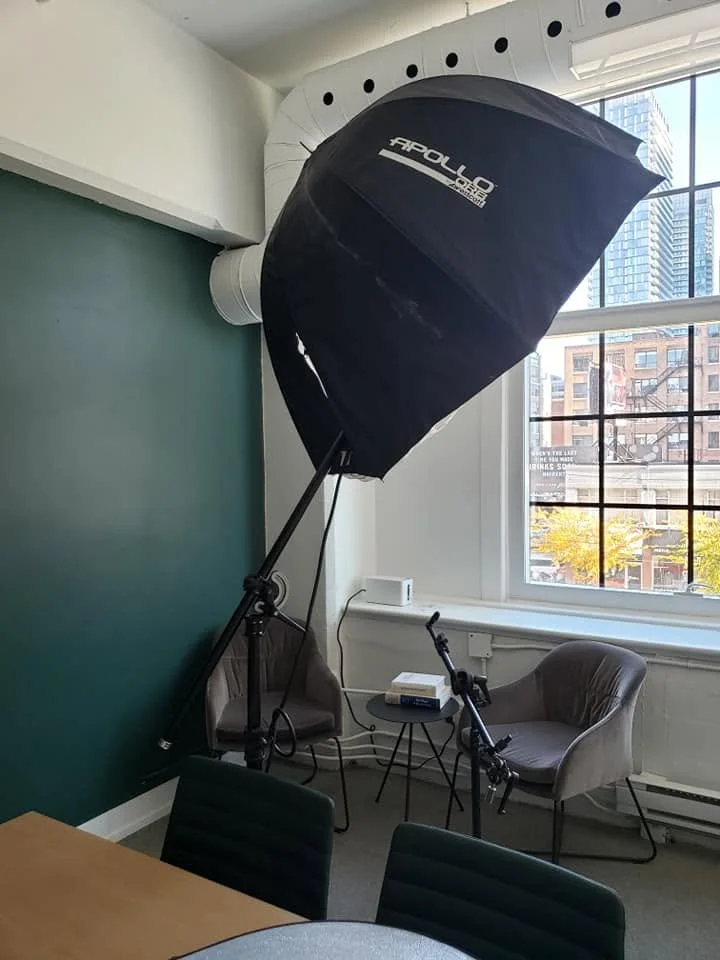
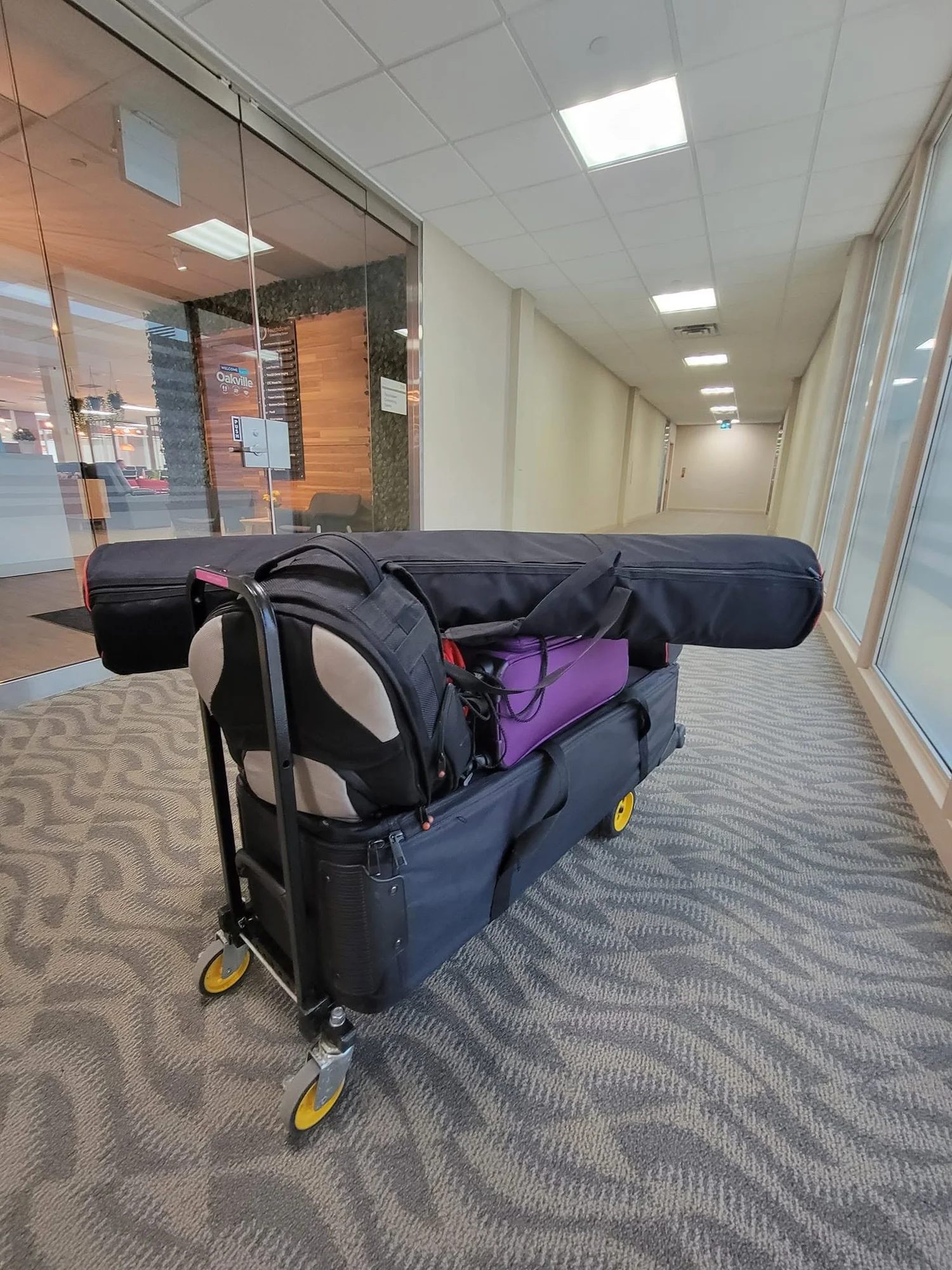
For one executive, a studio is usually the better room. The lighting is set, there is no boardroom glass to fight, and nobody walks past. For a team of ten or more, an office day usually wins. The photographer sets up in a boardroom and people come through between meetings, so nobody loses half a day travelling. Most good Toronto studios offer both. Ask which one they recommend for your headcount, and why.
2. Whether you see the images during the session
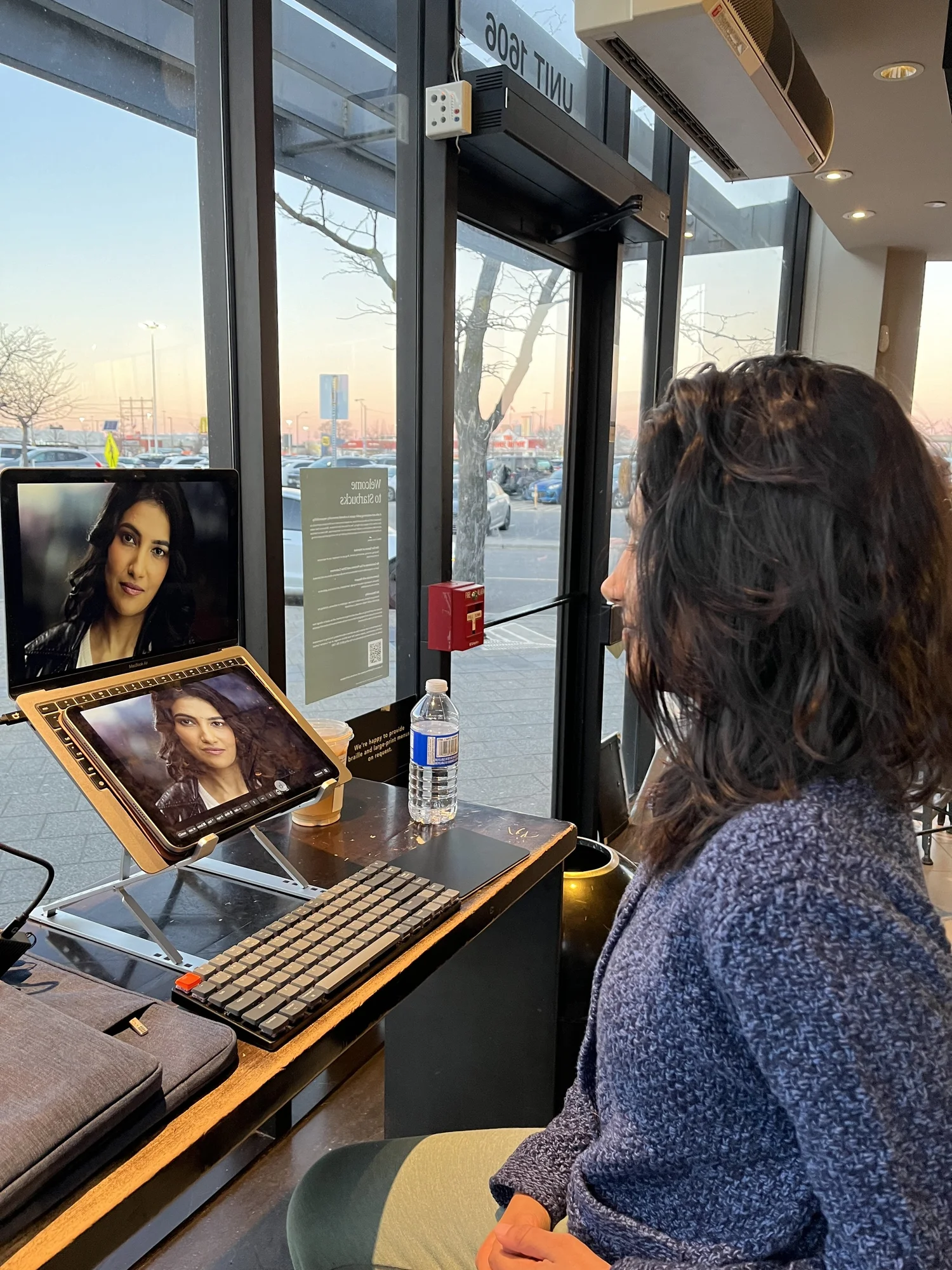
Tethered shooting means the camera feeds a large screen, so each person sees their images as they are made and can pick a favourite before they leave. It is the single best protection against a gallery nobody likes. Ask whether it is standard or an extra.
3. How new hires will match
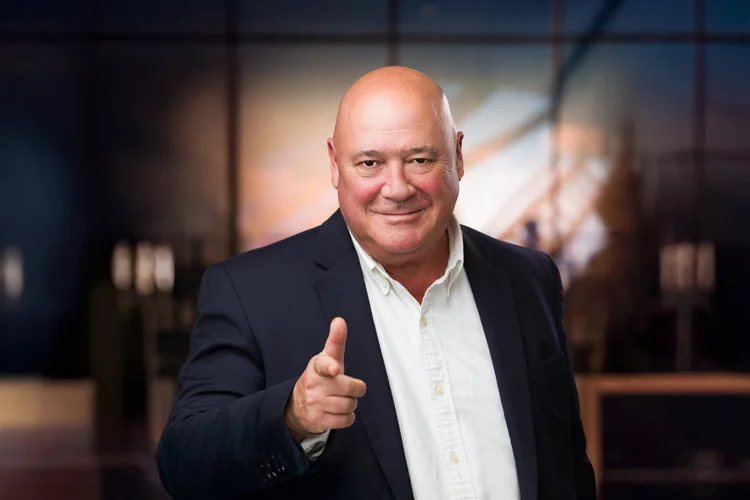
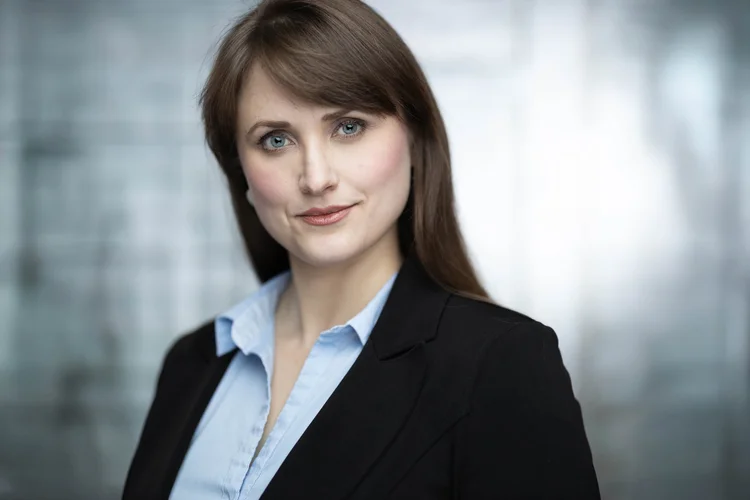
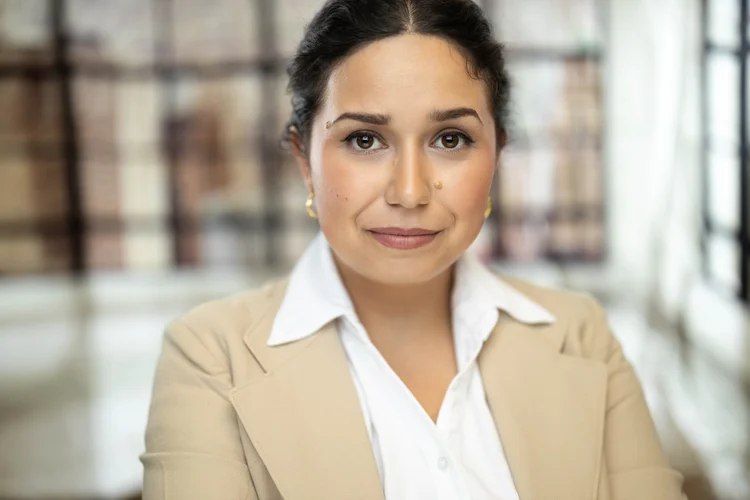
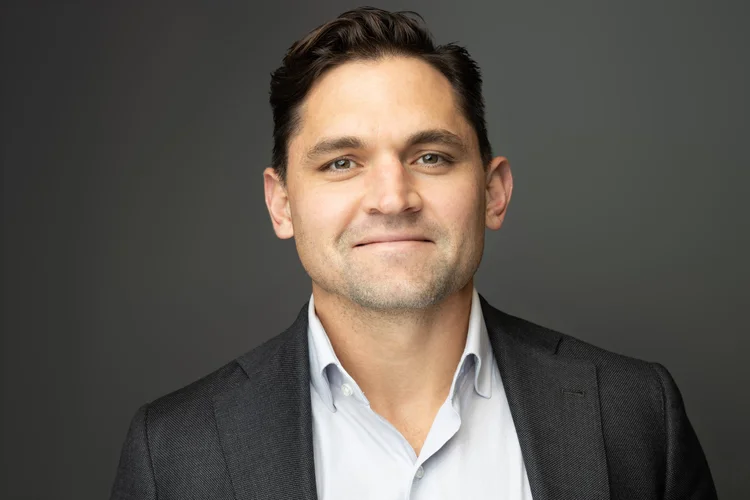
This is the one most teams forget. Your headshot day photographs the people who are there. Three months later a new associate joins, and their photo has to sit beside everyone else's on the team page. Most studios offer more than one look, from a clean light backdrop to a darker, more cinematic one. Choose one look for the whole team, and everyone, including people who join later, is photographed in that same look. Ask how the studio keeps the setup on file, whether new hires can come to the studio or need another office day, and whether the price per person stays the same.
4. Turnaround, on two clocks
There are two numbers to ask for: when you see the proofs, and when you get the finished retouched files after you choose. They are often quoted together, and they are not the same thing. If an announcement or a press release has a date on it, ask about rush before you book, not after.
5. Retouching
Ask how many retouched images are included per person, what an extra one costs, and what "retouched" means at that studio. A light, natural touch and a heavy polish are both legitimate choices. Make sure the studio's default matches what your firm wants.
6. Usage rights
Most corporate packages cover your own website, LinkedIn and internal use. Advertising is where terms differ. Some studios include digital ads, some license billboards, transit and print separately. If the photos might end up in a campaign, get the terms in writing.
7. Direction for people who hate being photographed
Most of your team does not model for a living. A photographer who directs, with expression, posture and small adjustments, gets a better result from a nervous lawyer than any amount of retouching. Ask how they work with people who freeze in front of a camera.
8. Office day logistics
Ask how much space they need, how long setup takes, how many minutes each person gets, and who handles the sign-up schedule. A good studio will send a sign-up template and a short prep note for your team.
9. Proof you can check
Client logos and testimonials on a studio's own site are a start. Google reviews written by people at firms like yours are better, because you can read them in full. Membership in a vetted community of headshot specialists, such as Headshots Matter, means other photographers have reviewed the work before you see it. If a studio names a client in your industry, ask whether you can speak to them.
Questions to ask before you book
- Do you recommend a studio session or an office day for a team our size?
- Will each person see their images on a screen during the session?
- How many minutes per person, and how many people can you do in a day?
- When do proofs arrive, and when do finished files arrive after we choose?
- How many retouched images are included per person, and what does an extra one cost?
- What do the usage rights cover, and is advertising included?
- How will new hires match the team next year, and at what price?
- Can you match our existing headshots or brand guide?
- Are you insured for working in our office?
- Can we speak to a client in our industry?
Toronto studios worth comparing
Listed alphabetically. Each description comes from the studio's own website in November 2026. None of these studios paid to be included.
Binks Headshots
Where: A downtown studio on St. Lawrence Street, plus on-location sessions at your office with a mobile setup.
How they work: Team sessions in structured time blocks, with lighting and backgrounds matched across the team. The site says it suits people who join later, and lists a fast turnaround option.
What stands out: A focus on law, finance and tech teams.
A good fit for downtown teams that want someone a short walk away.
BusinessPortraits.ca
Where: A private studio, plus on-location sessions across the GTA, including home offices and event venues.
How they work: Setup and timing agreed before the shoot, five to twenty minutes per person, proofs and high resolution files on published timelines, and annual plans for larger organizations.
What stands out: Scale. The site says it has photographed tens of thousands of professionals for hundreds of Canadian organizations since 2017, and offers event headshot stations and corporate video.
A good fit for large organizations running headshots across many offices.
Calvin Thomas Studio
Where: A Toronto studio, plus a travelling studio for client offices.
How they work: Office days of up to 40 people, tethered shooting so results appear on screen, sign-up templates and prep guides, proofs within a week and finals after selection, and follow-up sessions so new hires match.
What stands out: A long list of named clients, including major law firms, banks and consultancies, and a light, natural retouching style.
A good fit for large downtown firms that want an established name.
David Chang Photography
Where: A Financial District address on Bay Street.
What stands out: Location. The studio leads with its downtown address, which makes it easy for people working in the core to get to.
A good fit for executives who want a studio session close to the office.
Jose Palma Photography
Where: A studio in Leslieville, plus on-location sessions across the GTA.
How they work: By appointment, tethered so you see each frame, same-day proofs, retouched finals within five business days of selection, and a rush option. NDAs signed on request.
What stands out: Environmental portraits at a desk or in a boardroom alongside the clean studio look, and published usage terms for the client's own and company use.
A good fit for founders and executives who want both a headshot and an at-work portrait.
King Street Photo Studio
Where: A downtown Toronto studio.
What stands out: Corporate client logos on the site, including national brands, and operating since 2015.
A good fit for teams that want a downtown studio with a corporate track record.
Mango Studios
Where: A Toronto studio on Davies Avenue.
How they work: Short in-studio corporate sessions with a preview gallery, posing tips during the session, and on-location, team and event work by quote.
What stands out: Published per-person pricing for individual corporate headshots, and the chance to review photos midway through the shoot.
A good fit for individuals who want a quick, clearly priced studio session.
Ymaphoto
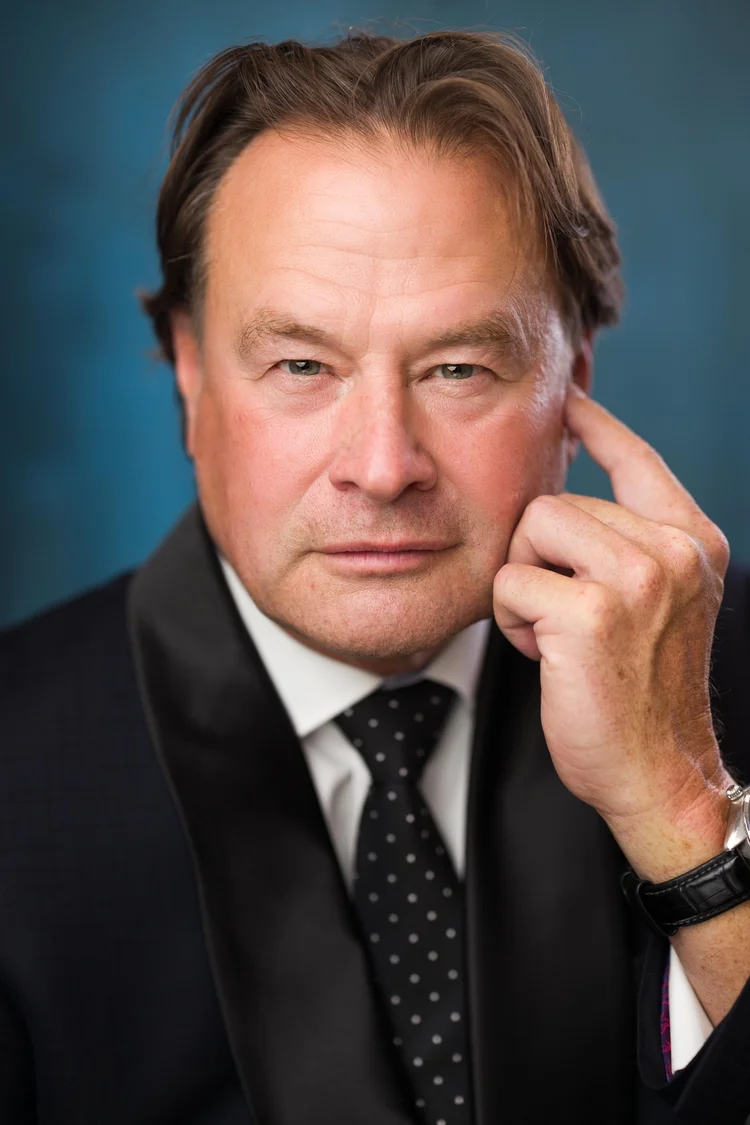
Where: A studio in Oakville, plus on-location sessions at offices across Toronto and the GTA, from Bay Street boardrooms to business parks in Mississauga. The studio is not downtown. Toronto teams are usually photographed at their own office.
How we work: A consultation first, direction throughout, and every image reviewed on a large screen as it is made. If an image is not right, we fix it in the room, reshoot it, or you walk away owing nothing. The gallery arrives the next business day, and retouched files within five business days of selections.
What stands out: The Standing Headshot Program. One price per headshot is agreed once, the setup stays on file, and new hires are photographed as they join, so the team page keeps reading like one firm. Usage covers your own marketing and communications, including digital advertising.
A good fit for firms that hire through the year, and for executives who want to be directed rather than just photographed.
A quick way to decide
| Your situation | What to look for |
|---|---|
| One executive, announcement soon | A studio session with tethered review, same-day proofs and a rush option |
| A team of 10 to 40 in one office | An office day, minutes per person agreed in advance, a sign-up template, matched lighting |
| A firm hiring through the year | A standing arrangement: setup on file, one agreed price per person, new hires booked one at a time |
| Several offices or hundreds of people | A studio that runs multi-site days and annual plans |
| A conference or gala | Event coverage with a guest headshot station at the same event |
What corporate headshots cost in Toronto
Published rates across Toronto studios in 2026 land roughly here, before HST: an executive or corporate portrait session runs $300 to $900, team headshots $125 to $300 per person, and extra retouched images $35 to $100 each. Two quotes that look the same can be a long way apart once you ask about retouching, extra images and turnaround. The full breakdown is in how much headshots cost in Toronto, and Ymaphoto's own prices are on the investment page.
What about AI headshot generators?
They are cheap and fast, and for an internal profile picture they may be enough. For a firm's team page, two things tend to go wrong. The face drifts a little from the real person, which clients notice when they meet them. And thirty separately generated images rarely look like one team. If the page is meant to build trust with clients, a photographer still does that better.
Frequently asked questions
How long does a corporate headshot session take?
On an office day, most studios plan five to twenty minutes per person. A one-on-one executive studio session usually runs longer, because there is time for more than one look and for direction.
Should we shoot at our office or at a studio?
For a team, the office is usually better, because nobody loses half a day travelling and the photographer brings the lights and backdrop. For one or two executives, a studio gives more control over the result.
How do new hires match the rest of the team?
Ask the studio to keep the lighting, backdrop and framing on file. New hires can then be photographed at the studio or on the next office day to the same standard. Some studios offer a standing arrangement with one agreed price per person.
Who owns corporate headshots, and can we use them in ads?
The photographer usually keeps copyright and licenses the images to you. Most corporate packages cover your website, LinkedIn and internal use. Advertising terms vary by studio, so confirm them in writing if a campaign is likely.
How far ahead should we book?
Two to four weeks is usually enough for an office day in Toronto. January and September tend to book up first, because that is when many firms welcome new hires.
Studio details were read from each studio's own website in November 2026 and may have changed since. If you run one of these studios and something here is out of date, email me and I'll correct it.